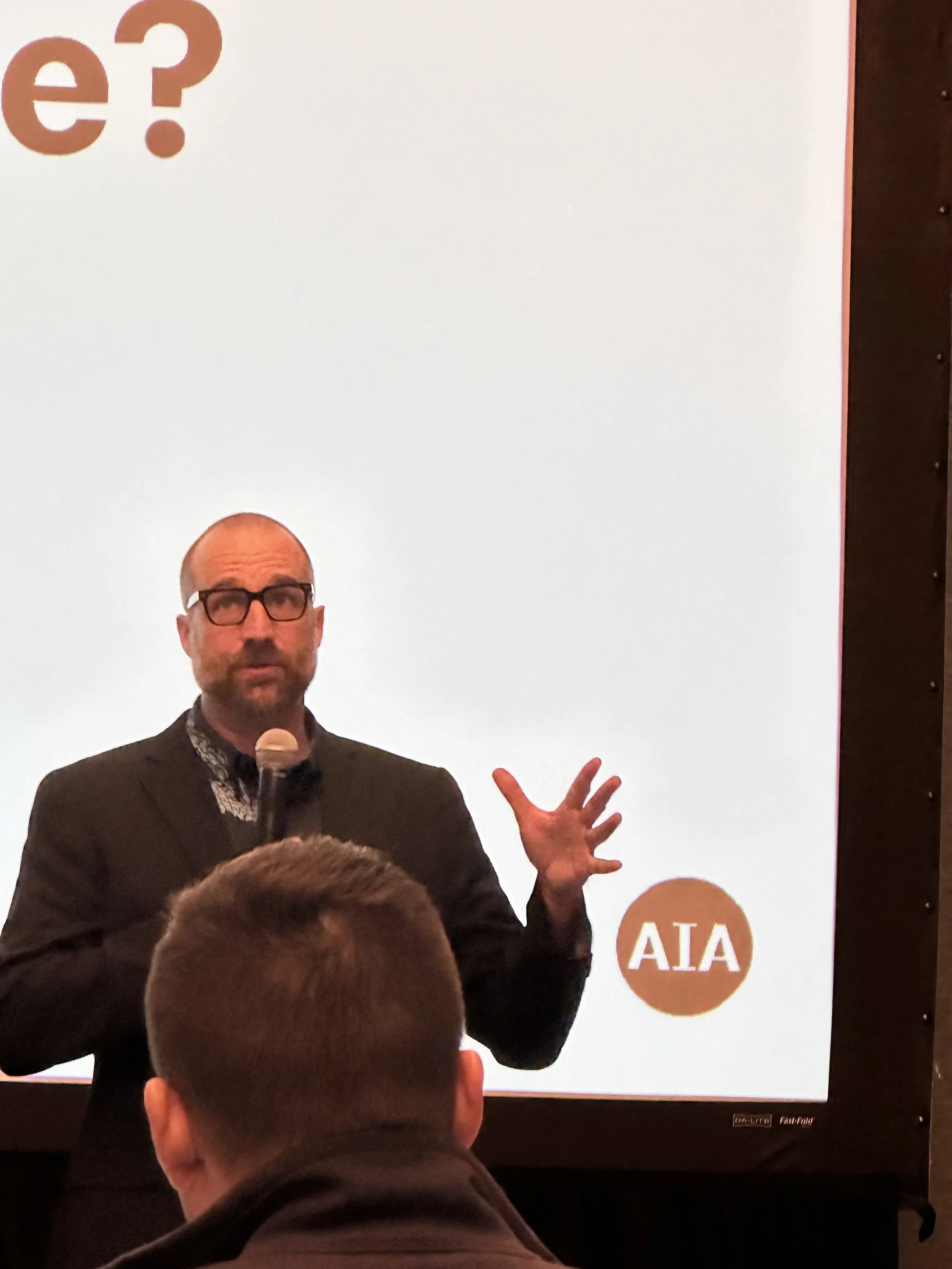
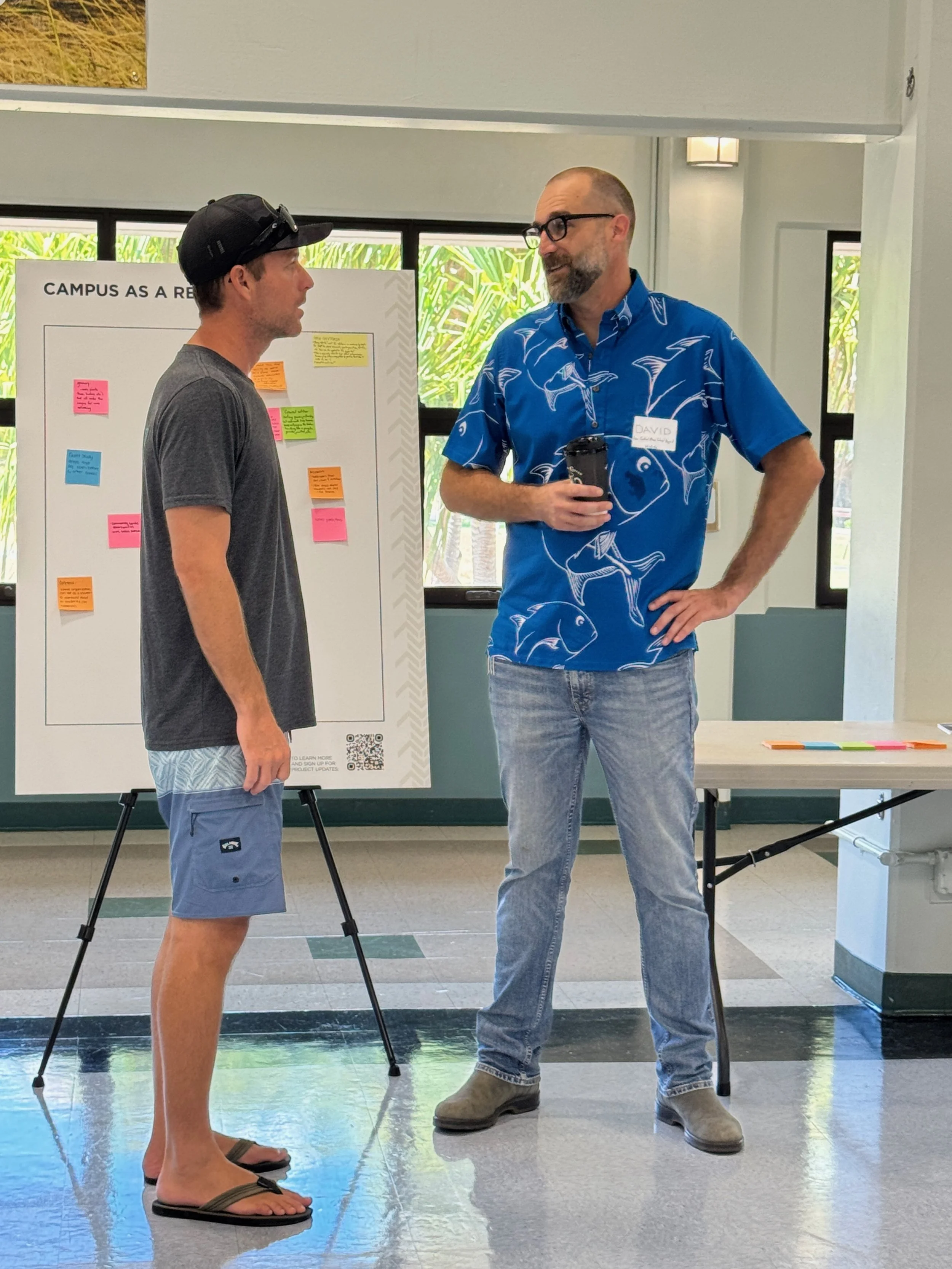
Prosperity Through Resiliency means preparing architects to lead in a changing world- strengthening communities, advancing sustainability, and building a profession ready for the future.
Prosperity Through Resiliency
Educate for a Profession That Thrives
The architecture profession is facing a generational shift. For every five practitioners retiring, only one young professional is entering the field. To reverse this trend, architects must invest in the next generation and strengthen the pipeline from community to career.
David advocates for:
Early engagement with students in high schools, introducing design as a meaningful and viable career path rooted in community service.
Stronger alignment between architectural education and professional practice so emerging professionals enter the field prepared, capable, and confident.
Continuing education that supports architects not only in technical resilience and climate strategies but in financial success; enabling members to build sustainable careers while advancing the built environment.
Address Housing Affordability Head-On
The growing housing crisis touches every community and every generation including young architects who struggle to build careers while affording a place to live.
Architects have a role and a responsibility to contribute to solutions:
By advocating policy that supports affordable housing development at scale.
By integrating design excellence with practical strategies that make housing accessible, dignified, and community-centered.
By restoring public confidence in the profession through leadership that confronts one of society’s most urgent needs.
Under David’s leadership, AIA will continue to elevate architects as essential partners in housing equity and community resilience.
Lead in Sustainability and Carbon Responsibility
Buildings account for roughly 40% of global carbon emissions- a figure that cannot be ignored. Architects are both part of the problem and essential to the solution.
David’s vision extends beyond net zero energy. It calls for a new standard:
Designs that reduce carbon throughout the full lifecycle of buildings, from material sourcing and construction to operation and longevity.
Adoption of regenerative strategies that aim not just to minimize harm but to create positive environmental impact.
Sharing knowledge and practice models that allow firms of all sizes to adopt advanced sustainability as a baseline expectation.
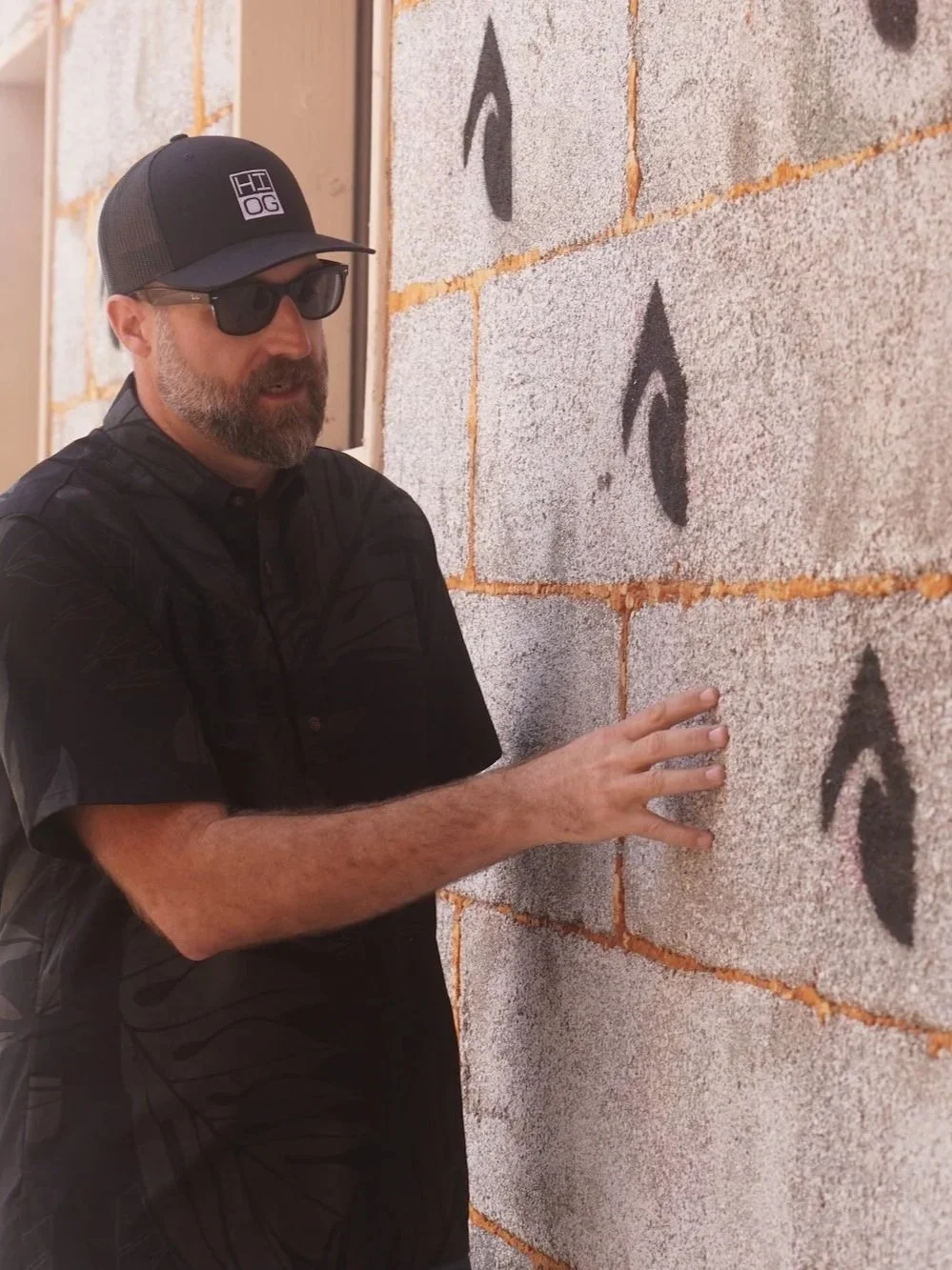
Hawaiʻi Off-Grid Architecture + Engineering became the first firm in the world to commit to every new building meeting net zero at minimum - a model David believes can be scaled across the profession to meaningful effect.
Design Must Be Climate Responsive and Future Focused
The climate of tomorrow will not resemble the climate of yesterday. Models project average global temperatures rising significantly; placing future buildings in conditions radically different from those they were originally designed for.
David emphasizes:
Moving past strategies rooted in outdated data and educational models toward predictive, future-responsive design grounded in emerging science.
Encouraging architects to adopt climate projections as a core design parameter, not an afterthought.
Supporting AIA members with resources, tools, and education that prepare them to anticipate and respond to climatic shifts rather than react to them.
Architecture must evolve in pace with the changing world; that evolution begins with preparing professionals for what’s ahead.
Building Value for the Profession and Community
The most resilient communities are those where economic opportunity, social stability, and environmental health intersect. Architects are uniquely equipped to bridge these domains ; creating spaces that are beautiful, functional, equitable, and economically viable.
David believes:
Prosperity and resilience are inseparable : resilient design creates value that endures beyond the building itself.
Architects can expand the value proposition of the profession by solving real problems that matter to the public.
Every architect should feel empowered to contribute whether through design, policy advocacy, education, or civic engagement.